.svg)
.svg)
.svg)
.svg)
.jpg)
In today's digital marketing landscape, video has become one of the most effective ways to capture attention and drive action. As consumers continue to favor visual content over text-heavy formats, brands are investing more heavily in product videos that serve specific roles across the funnel. From feature-driven demos to story-led lifestyle content, each video format plays a distinct role in shaping how a product is perceived and understood.
If you have ever stopped mid-scroll because a product video felt unusually compelling, that reaction is not accidental. Research consistently shows that video improves message retention and purchase confidence. According to Wyzowl's 2024 Video Marketing Statistics, 89 percent of consumers say watching a video has convinced them to buy a product or service at least once.
The real challenge is not whether to use video, but which types of product videos to deploy and how they work together. Understanding these formats allows brands to build campaigns that feel intentional rather than fragmented.
Below is a breakdown of the core product video types used in modern brand campaigns and why each one matters.
Foundational Product Video Types
So you're sold, you want to make a product video. The question now becomes, 'What kind of video would be best?'.
Hero or flagship videos anchor brand perception and set the emotional tone. Product demo videos focus on clarity and functionality. Lifestyle videos contextualize use cases. Short-form performance videos drive fast engagement and action.
When brands understand these roles, they stop forcing one video to do everything and instead build layered campaigns that guide viewers naturally from awareness to decision.
Hero / Flagship Product Video
Think about background music in a restaurant.

When you sit down at the table, you are not there to listen to the music. You are there to eat, to talk, to focus on the people in front of you. Most of the time, you hardly notice the music at all. Yet it would be a mistake to think it does nothing.
If the music stopped entirely, the room would feel flat. If it suddenly became loud or distracting, conversation would suffer. The right music sits quietly in the background, shaping the mood without asking for attention. It makes the experience feel comfortable, intentional, and complete.
A hero or flagship product video functions in a similar way, our goal is to subconsciously deliver product visuals to the visitor while they are reading through the page. At that level, the video is shaping mood and expectation. Color, lighting, pacing, and facial expressions are doing the work of signaling how the product should feel, who it's for, and what kind of experience surrounds it. Without asking the viewer to engage, it subtly frames the product as something positive, familiar, and desirable, so when attention finally shifts to it directly, the emotional context has already been set.
Hero videos are particularly effective for product launches or major updates. According to Think with Google, emotionally resonant video ads outperform purely informational ads in long-term brand lift metrics.
When executed well, a flagship video becomes the asset that other campaign content references and builds upon.
Product Demo Video
Product demo videos exist to remove uncertainty. They show how a product works, what it does, and why it is useful in practical terms.

For eCommerce brands, demos are especially valuable. A 2023 study by Shopify found that product pages with video can increase conversion rates by up to 80 percent, depending on category and execution.
Unlike hero videos, demos do not need to be cinematic. They need to be clear. Viewers are looking for answers, not atmosphere. When a demo anticipates common questions and addresses them directly, it builds trust quickly.
Lifestyle Product Video
Lifestyle product videos shift the focus from the product itself to the experience around it. Instead of explaining features, they show how the product fits into real situations and routines.

This format works because people rarely buy products in isolation. They buy outcomes, identity, and convenience. Lifestyle videos help viewers imagine themselves using the product without being explicitly told to do so.
According to Nielsen research on advertising effectiveness, ads that depict real-life usage scenarios tend to outperform abstract or purely feature-based creative in recall and favorability.
For brands focused on long-term loyalty and brand affinity, lifestyle videos are often indispensable.
Short-Form Performance Video
Short-form performance videos are designed for speed. They are built to capture attention immediately and deliver a single, focused message.

Platforms like Instagram Reels, TikTok, and YouTube Shorts reward clarity and pacing. These videos often highlight one benefit, one use case, or one offer. Anything more risks dilution.
Meta's internal research has shown that vertical video optimized for mobile-first viewing significantly improves completion rates and click-through performance.
Short-form videos are rarely standalone assets. They work best as part of a broader system that includes longer-form content elsewhere.
Product Launch Video
Product launch videos are about momentum. They introduce something new and frame it as worth paying attention to right now.
These videos often combine elements of hero storytelling and product demonstration. Teasers, limited reveals, and early reactions are commonly used to build anticipation.
When launch videos are coordinated with email, paid media, and social distribution, they can create a concentrated spike in interest that carries through the rest of the campaign.
Explainer / Educational Video
Explainer videos exist to simplify. They are especially useful when a product, service, or process is unfamiliar or complex.
Educational video content has become increasingly important as buyers research more independently. HubSpot reports that 96 percent of consumers have watched an explainer video to learn more about a product or service.
These videos position brands as helpful and competent rather than purely promotional. Over time, that perception compounds.
Detail / Macro Product Video
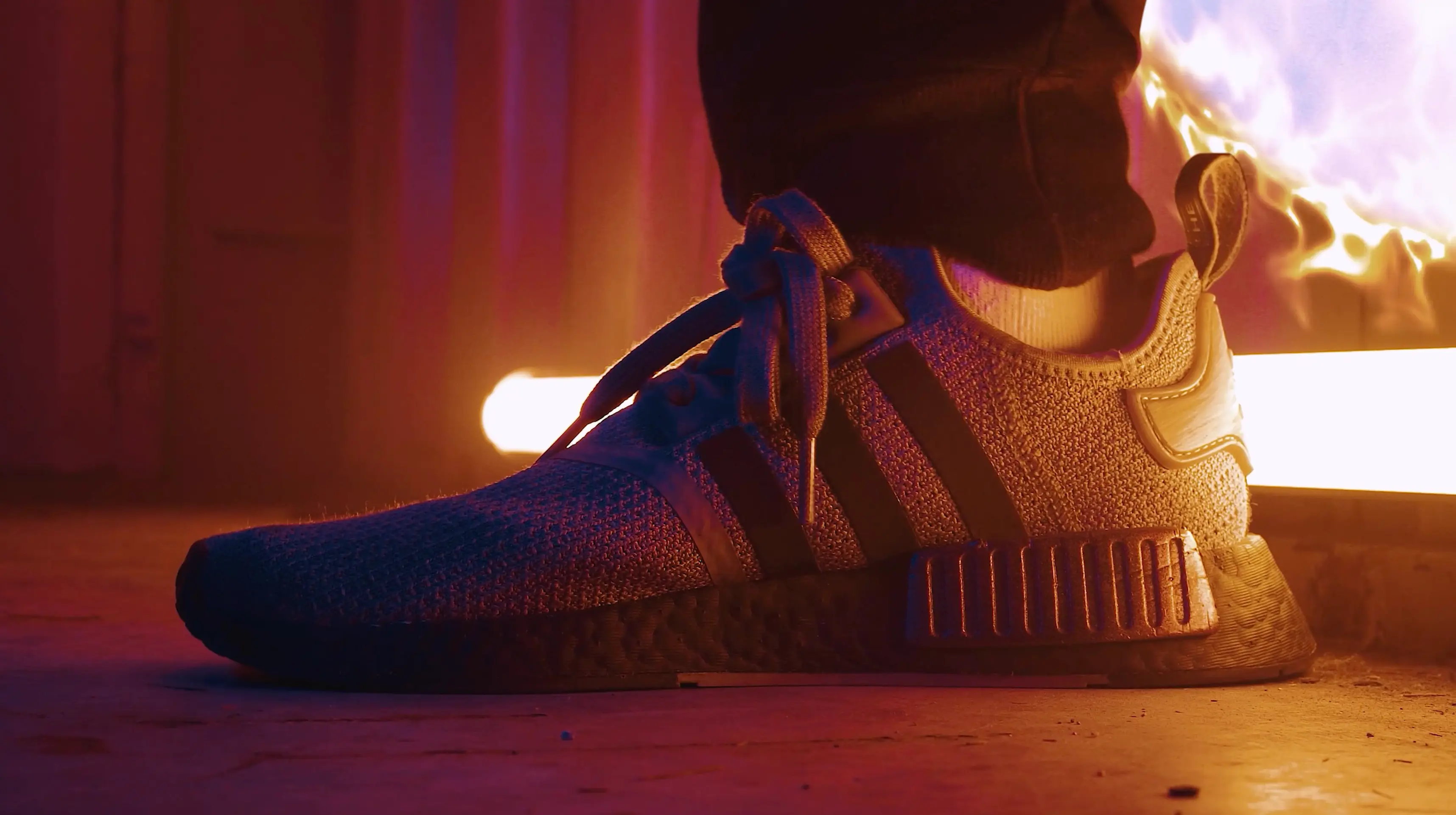
Detail or macro product videos focus on craftsmanship, materials, and build quality. They show what static images often cannot.

This format is particularly effective for products where tactile quality matters, such as fashion, luxury goods, or hardware. Close-up visuals reduce perceived risk by letting viewers inspect details they would otherwise miss.
In online retail, this added confidence can directly influence purchasing decisions.
Behind-the-Scenes / Process Video
Behind-the-scenes videos emphasize transparency and authenticity. They show how products are made, who makes them, and what goes into the process.
Modern consumers are increasingly skeptical of overly polished marketing. According to Edelman's Trust Barometer, transparency and authenticity are key drivers of brand trust, particularly among younger demographics.
Process videos humanize brands and reinforce credibility without overt selling.
How These Videos Work Together
No single product video format carries a campaign on its own. Their strength comes from how they support one another.
Hero videos attract attention. Demos provide clarity. Lifestyle videos build desire. Short-form content maintains visibility. Educational and behind-the-scenes videos deepen trust.
When aligned, these formats create a cohesive narrative that moves viewers naturally through the decision-making process.
Choosing the Right Mix
Selecting the right combination of product video types depends on goals, audience, and platform.
Brands focused on awareness may lean heavier on hero and lifestyle content. Brands focused on conversion often prioritize demos and explainers. Social-first strategies require strong short-form execution.
The most effective approach is iterative. Performance data should guide adjustments over time, allowing brands to refine their mix rather than relying on assumptions.
Product videos are no longer optional in modern brand campaigns. They are foundational.
What separates effective campaigns from forgettable ones is not volume, but intention. Each video format serves a purpose, and when those purposes are respected, the result is clearer messaging, stronger engagement, and higher conversion confidence.
By thoughtfully combining cinematic storytelling with practical education and performance-driven short-form content, brands can build video ecosystems that do more than look good. They work.